
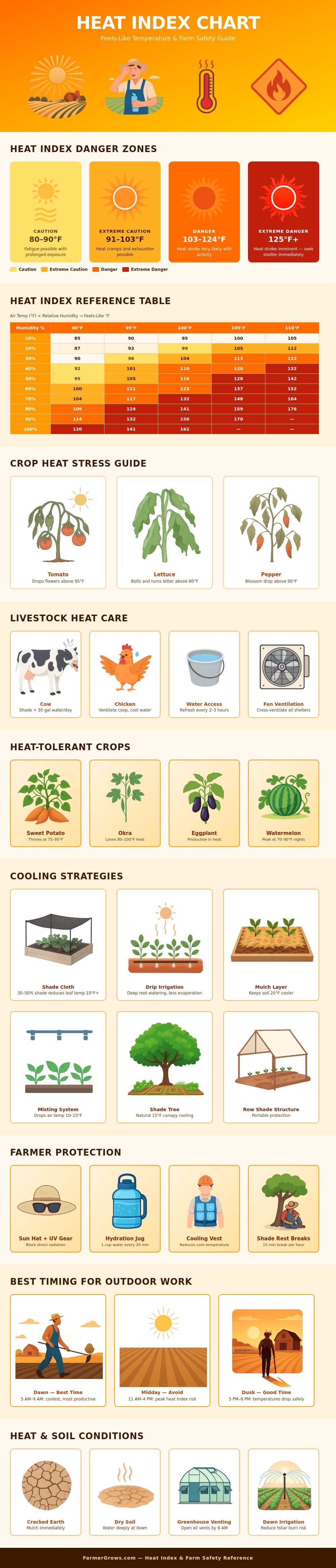
The heat index is an measurement that combine air temperature and humidity to determine how hot the air feel to a person. Air temperature alone dont provide a complete measurement of heat, because humidity also affects how a persons experiences heat. When humidity is low, sweat evaporate from the skin of a person, and the evaporation of sweat help to cool the body.
However, when humidity is high, sweat does not evaporate quick from the skin, and the lack of evaporation prevent the body from cooling itself effective. Because the body cannot cool itself through evaporation when humidity is high, the heat index becomes a more accurate measurement of heat than air temperature alone. A person must understand the heat index because the heat index determine the risk of heat stress.
Heat Index: How It Affects People, Animals and Plants
Heat stress can begin as mild fatigue or muscle cramp, but heat stress can also progress into heat stroke. Heat stroke is a serious medical condition that require immediate medical attention. If a person ignores the signs of heat stress, the person may experience a rapid decline in health.
Therefore, a person should monitor the heat index to ensure that the person remain safe while working. Livestock also experience the effects of the heat index, and livestock can suffer from heat stress if the heat index are high. Livestock requires constant access to shade and constant access to fresh, cool water to prevent heat stress.
If water in a trough become warm due to high air temperatures, the warm water will not help the livestock cool down. Additionally, livestock require adequate airflow in shelters because airflow help to reduce the heat that the livestock experience. If a person do not provide shade, water, and airflow, the livestock may die from heat stress.
Crops also experience the effects of high heat and high humidity. Plants may drop flower or change the taste of their leaves when plants experience heat stress. Some plants are more resilient to heat than other plants.
For example, okra, eggplant, and sweet potatoes is plants that can handle high heat better than other plants. A person can also use shade cloth to lower the temperature of a plant leaf, and a person can use mulch to keep the soil temperature lower. Using drip irrigation is also helpful because drip irrigation deliver water directly to the roots, and drip irrigation reduce the amount of water that is lost to evaporation.
A person should plan work schedules based off the heat index and the time of day. The heat index is usually highest between the late morning and the late afternoon. The early morning is often the best time for a person to perform farm work because the air is cooler in the early morning.
The evening is also a safer time to work because the temperature is lower in the evening than it is in the afternoon. To manage the risks of high heat, a person should wear a wide brimmed hat, a person should drink plenty of water, and a person should use tools like misting systems to reduce the heat.