
Have you ever stood in produce aisle, gripping a tomato that tastes more like a soggy piece of cardboard, and asked yourself: What happened? Why doesn’t this taste good?
Nothing’s wrong; you just bought into the wrong time. Plants grows according to a heat schedule, not our shopping list. We’ve trained ourselves to believe we can get asparagus in August or strawberries in December, without noticing how out of season those fruits and vegetables realy are. If you learn to shop based off their real growing cycles, you’ll taste what all the fuss is about.
Why Seasonal Food Tastes Better
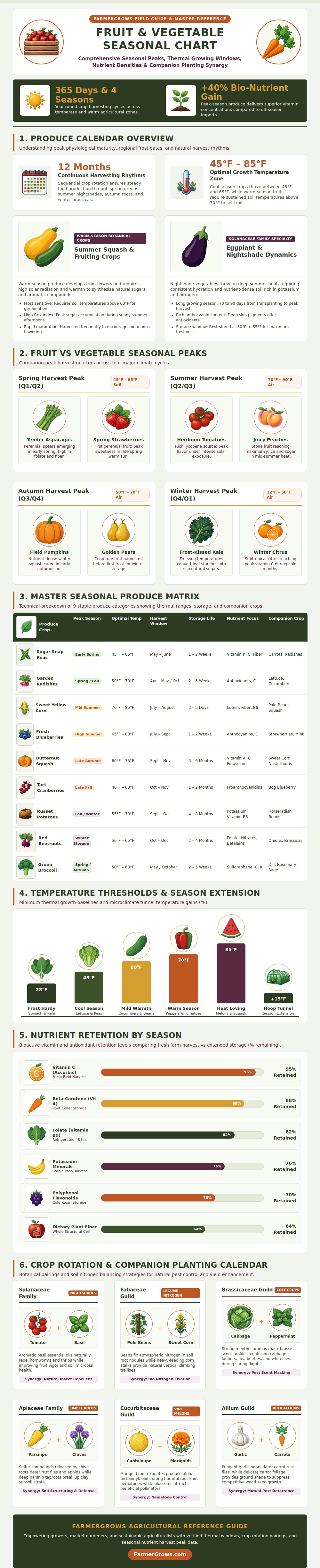
These are broken out in the chart below. Lettuce like cool weather, with soil temperatures around 45 degrees F. Tomatoes wants constant heat before they can starts setting fruit; these are nightshade family crops. Other plants has different needs as well.
The key to knowing when to eat seasonally is that there’s a temperature split here. If the soil isn’t warm enough (and we’re talking not warm enough for efficient photosynthesis) for a tomato vine to do its thing, forget it; that plant won’t create sweet, lycopene-rich fruit even if you make it feel otherwise. And similarly: No amount of coaxing will result in tender, sweet kale if you put it in the ground during high summer, because then it’ll bolt and go bitter anyway.
Understanding these thermal baselines shift how you perceive everything on your label. The shopping and gardening minds is tricked by spring: Anything green rushes out of the catalog or into the soil, even if many of those earliest vegetables comes from colder climates and are actualy frost tolerant. Early peas and asparagus comes on because they’re programmed to push up first, before heat builds in the soil and the canopy shuts it out. When it’s still cool, we’re getting maximum nutrient density from them. The data show there is more folate and vitamin C in spring produce. It doesn’t sit around in transport for very long. Eating it means you are eating closer to where and when it grow.
Some plants are solar-powered heavy hitters. Summertime is when squashes and stone fruit becomes sweeter due to long daylight hours and maximum sun exposure. As the chart shows, warm-season plants needs the most sunlight to create those naturaly occurring sugars. That’s why a summer peach tastes sweet, while a fall one can taste watery (even though it may be technicaly ripe right there on the tree). When the light fades, so does the plant’s ability to produce sugar. Peak flavor come with the peak heat… And you must wait.
Root vegetables and storage crops takes center stage in fall. As days shorten and temperatures cool, things such as beets and kale converts their starches into sugars. This makes tough fibers taste sweeter while insulating the plant’s cells against frost. The result is some of the sweetest veggies of whole year. Cool storage (or even root cellars) also maintain fiber and beta-carotene in root crops for months, the chart explain. Get it right in October, and you’ll have nutrient-rich fare to enjoy well into January. You should of known the secret is knowing what holds up and what doesn’t.
There’s another dimension to all this: companion planting. This pictorial reference not only offers visual guidance for aesthetic reasons (for example, pairing basil with tomato), but for biological ones as well. For instance: Certain pests targets tomatoes; basil helps keep those away. Beans help fertilize heavy feeders such as corn, too, since they “fix” nitrogen into the soil. This means there is less chemical use, healthier soil and a self-sustaining cycle if you let it happen, which works best when we follow nature’s lead.
Seasonal eating isn’t a matter of deprivation but of going with the flow. Following nature’s rhythm and embracing the idea that squash is an autumn food, not springtime asparagus. If you go with the seasons, you’ll feel closer to what you eat; it will taste better and be better for you. The next time you grab a piece of fruit, look at the calendar. Your taste buds will appreciate the wait.