
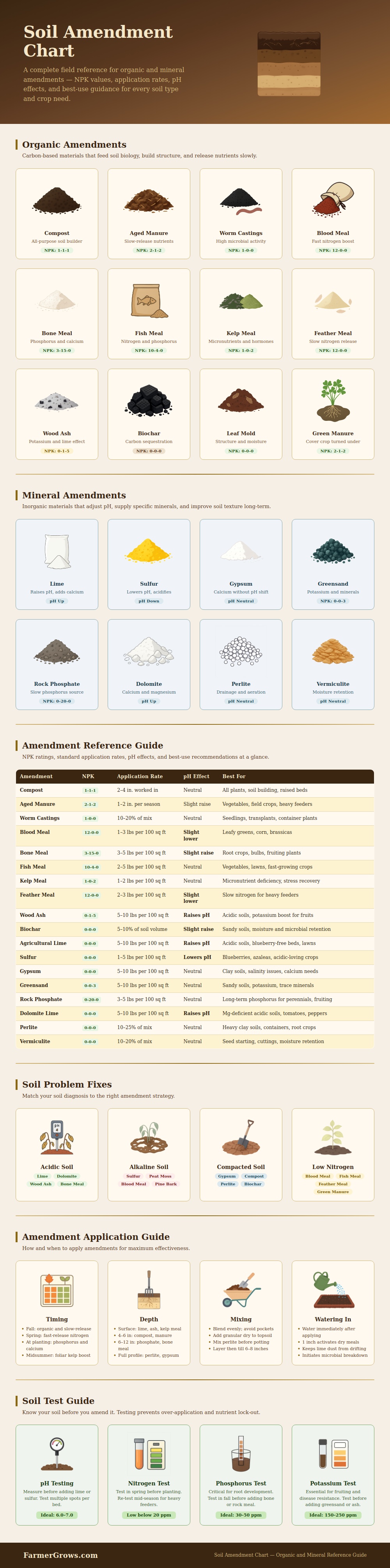
Soil amendment are the addition of materials to soil in order to improve the quality of that soil. Soil amendment is often necessary in that soil become depleted of nutrients over time. As a result of the soil becoming depleted of nutrients, the plants that are grown in that soil may exhibit signs of poorly health.
Soil amendment can be used to both provide nutrients to the soil, as well as to improve the physical structure of the soil. There are two main categories of soil amendment: organic amendment and mineral amendments. Organic amendments include materials like compost and aged manure.
How to Improve Your Garden Soil
Organic amendments work to improve the biology of the soil, as well as to release nutrients into the soil gradualy. Compost is one organic amendment that contains many different type of nutrients that are necessary to assist the plants in grow, as well as to further build the structure of the soil. Compost can be added to both new raised beds as well as perennial plots in the garden.
Mineral amendments are often used for precision work performed in the garden. For example, mineral amendments can adjust the pH of the soil, or they can change the texture of the soil. Lime is one type of mineral amendment that can be added to soil to raise its pH if the soil is too acidic.
The lime adds calcium to the soil, which is beneficial for the plants in that it helps to strengthen the cell wall of fruits and vegetables. However, you should only add lime to soil that has been tested to ensure that it is too acidic. Another type of mineral amendment is sulfur, which gardeners often add to soil to lower its pH levels.
Sulfur is especially beneficial in gardens in which plants that require acidic soil, like blueberries, is to be grown. Sulfur breaks down over several months. Finally, gypsum is added to soil that contains a high amount of clay to provide calcium to that soil.
Additionally, gypsum does not affect the pH of the soil, but instead help to break up the clay soil in which the plants are to be grown. Another consideration for soil amendment is the proper timing of the soil amendment. For example, heavy organic amendments are best added to soil during the fall season, at which time the rain and frosts of the winter will help to work the organic amendments into the soil.
Additionally, amendments that are high in nitrogen, such as blood meal, are typically added to soil in the spring, when the plants begin to grow; nitrogen fuel the growth of the leafy plants. Finally, it is important to follow a reference guide for soil amendment, as the reference guide will ensure that the proper rate of each type of amendment is added to the soil; adding too much of any amendment can lead to excessive nutrient in the soil. Before any soil amendment process is begun, it is important to first test the soil.
Testing the soil will reveal the pH of the soil, as well as the levels of nitrogen, phosphorus, and potassium within the soil. Many gardener will skip this initial test for the soil. For example, if the pH of the soil is not ideally set for the plants that are to be grown in that garden, the soil will lock away the nutrients to the soil; the plants cannot utilize them.
Additionally, if the levels of nitrogen within the soil are too low, plants like corn will have pale lower leaf. If the soil lacks amounts of potassium, the roots of plants will be stunted. According to the results of the soil test, various soil amendment can be selected.
For instance, if the soil is acidic yet the plants is wilting, wood ash or dolomite can be added to the soil to provide the plants with the potassium and magnesium that they require. Another example would be if the soil is heavy clay yet compacted, gypsum and perlite can be mixed into the soil to even out the texture of the soil. Finally, if the plants, such as tomatoes, are lacking in nitrogen, blood meal or fish emulsion can be added to the soil to supply the plants with the nitrogen that they require.
To apply the soil amendment, ensure that the compost is worked into the soil to a depth of four to six inches. Additionally, apply amendments like lime or kelp to the surface of the soil rather than burying them into the soil. After adding the amendment to the soil, it is important to water the soil; this allows the soil amendment to break down and the gardener to avoid blowing dust out of the garden.
Additionally, the amendment should be mixed evenly into the soil, then the gardener should till the soil to a depth of six to eight inches into the soil. To improve the soil over time, such efforts can be performed over many different season. For instance, testing the soil each spring will allow the gardener to amend the soil according to the test results each season.
Additionally, mulch should be added to the soil each year. Adding mulch will help the soil to remain healthy over time. Furthermore, by consistently amending the soil, the soil will be able to develop a resilience against drought, pests, and disease.
Other materials that can be added to soil include biochar, which helps to retain water in sandy soil, or leaf mold, which helps to retain moisture in dry climate. Additionally, green manures, like clover, will help provide nutrients to the soil as they decay. Through the regular amendment of soil, plants will develop deeper root and exhibit better health.