
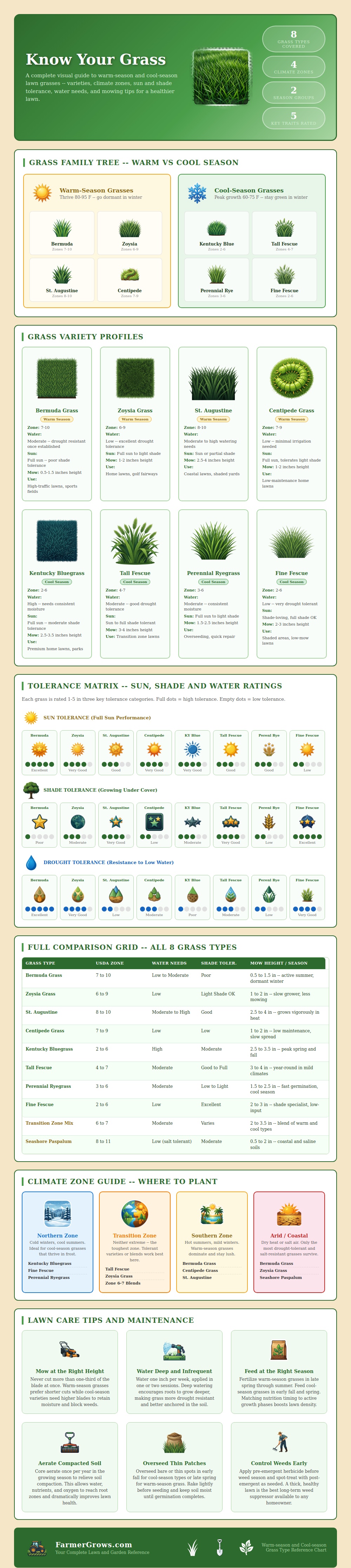
The lawn is the most common one-size-fits-all green carpet that most of us has treated as such: a do-this-no-matter-where-it’s-planted item. Nope; fail. Grass isn’t just grass. It’s a group of different species with certain light and temperature likes and dislikes. If you’re planting the wrong kind for your zone, you will face weed wars and browning spots.
This is the major dividing line in lawn care. It is the difference between cool-season turf types that like mild weather and warm-season ones that likes it hot. Knowing this will save you the headache of battling nature rather than going with the flow.
How to Pick the Right Grass for Your Lawn
Zoysia and Bermuda are warm-season grasses that rev up once thermometer rises above eighty degrees. They grow best in full sun, as they cannot make it otherwise. They put on a vigorous show in summer but goes dormant in winter. If planted alongside north-facing walls or beneath large oaks, these warm-season varieties will result in thin turf.
Cool-season grasses like Tall Fescue and Kentucky Bluegrass thrives when temperatures stay around sixty to seventy-five degrees, such as in spring and fall. However, they tend to struggle under intense summer heat. This is true unless you are prepared to water heavily, which drives up both utility bills and stress levels.
The visual guide shows how each is different when it comes to drought and shade resistance, and lets you match the plant’s tolerance level to what realy happens in your yard, rather than guess.
Homeowners who live in the transition zone face a difficult task: It’s neither north nor south. Winters can be too cold for most warm-season grasses, and summers are too hot for many cool-season ones. As a compromise, Tall Fescue frequently fills this gap; it withstands more heat than its cooler cousins yet can stand up to frost longer then true southern grasses. If you don’t mind some dormant time in winter and slower-than-average growth, zoysia is another good fit for the sweet spot. Rather than trying to force a pure selection that’ll always appear stressed when weather goes to extremes, opt for a mix made for such mixed messages.
Watering habits often ruin lawns even more than poor seed selection does. We all tend to water lightly and often, which trains roots to be super-shallow (and go dry at the drop of the hose). However, water deeply and infrequently to force the root system grow deep into soil where it will find moisture during brief dry spells, and you’ll have a lawn that can get along fine between showers.
For the same reason, mow high. Leaving grass blades longer will help to block weed seeds from sprouting, and it will also keep leafy top layer intact to shade the soil and hold moisture. Cool-season varieties typically tolerate being cut shorter than warm-season ones; adjusting your mower’s deck to allow for this is an easy way to show some species-appropriate love.
All other care tasks hinge on one thing: soil health. Root-choking compaction blocks water penetration deep into the ground where it matter, too. Yearly core aeration reduces soil pressure with channels to deliver nutrients and air down to the root zone. Unlike fertilizer, which feeds only top layer, this physical intervention can improve the environment in which the grass realy does live, and pay dividends you don’t get from fertilizer alone.
Keep the turf thick enough to outcompete weeds naturaly; overseed thin spots in early fall (cool-season grasses) or late spring (warm-season types).
A great lawn doesn’t require a degree in horticulture. It just requires that you stop thinking all grass is created equal, and choose one that suits the growing conditions where you live. Mow it at the right height so its roots grow deep. Water it so it learns to be independent rather than dependent. Select a variety for your zone.
When you start working with their natural inclinations instead of against them, it no longer feel like work and begins to look like care. You’re caring for what lives underfoot. Not fighting it, and the green carpet finally stays green…because you’re letting it be itself.