
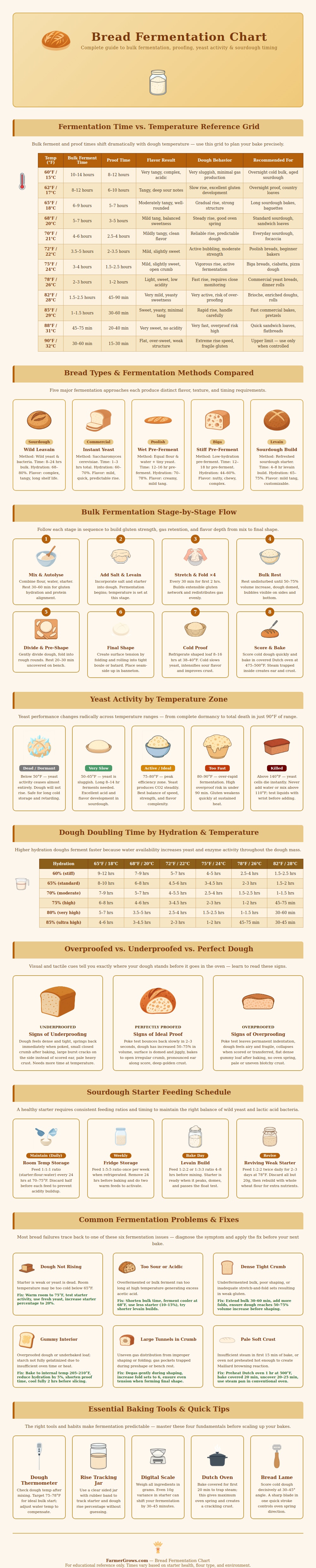
Yeast are a living organism that requires specific environmental condition to perform it’s function. One of the most important environmental factor for yeast is the temperature of the environment. Higher temperature make the yeast work fast, while lower temperatures makes the yeast work slower.
If the temperature in you’re kitchen is low, it will take longer for the dough to rise. If the kitchen temperature is high, the fermentation process will take less time for the dough to rise. You should not use a set amount of time to allow the dough to rise; the dough will react to the heat in the kitchen rather than the clock.
How Yeast, Temperature and Water Make Dough Rise
Another factor that affect how fast the fermentation process occur is the hydration level of the dough. Hydration refer to the amount of water in the dough. The more water in the dough, the more faster the dough will ferment.
High hydration dough will ferment faster than low hydration doughs. However, high hydration doughs are more difficult to handle because they will be stickier. You must find the correct amount of water for the dough.
Using too much water will cause the dough to lose its shape when kneaded. Using too little water will slow the fermentation process of the dough. The structure of the bread are created through specific mechanical step.
The first step in creating the structure of the dough is the autolyse. During the autolyse process, water hydrates flour and salt is not added yet. After the autolyse process, you must stretch and fold the dough a specific number of times to allow the protein in the flour to align.
These aligned proteins will create the structure in the dough that will allow it to trap the carbon dioxide produced by the yeast. The structure of the dough will not be able to retain these gasses if the stretch and folds are not performed correctly. Another way to determine if the fermentation process is complete is by using the poke test.
To perform the poke test, your finger must be pressed into the dough. If the dough snap back quickly, the dough need more time to ferment. If the dough does not return to its original shape, the dough has fermented for too long.
The indentation in the dough will slowly fill in to indicate that the dough has reached the correct level of fermentation. Sourdough bread is more complex then regular bread because sourdough bread contains wild yeast. For sourdough bread, a sourdough starter must be maintained.
A sourdough starter must remain active to help the sourdough bread rise. If you place a sourdough starter in the refrigerator for sourdough starter to sleep, it will become inactive. An inactive sourdough starter will not have the energy to help the sourdough bread rise.
To reactivate the sourdough starter, you should add warm water and flour to the sourdough starter. Errors in the baking of bread are usually cause by errors in the timing or the environment in which the dough is allowed to rise. If the bulk fermentation process was too short, the crumb will be dense.
If there was not enough steam added during the baking process, the crust will be pale and soft. Both the dough and the environment must be observed throughout the baking process. Observing the dough will allow the baker to know when the dough is ready to proceed to the next step in the bread baking process.